What You Need to Know
- BMX bikes have 20-inch wheels, ideal for racing.
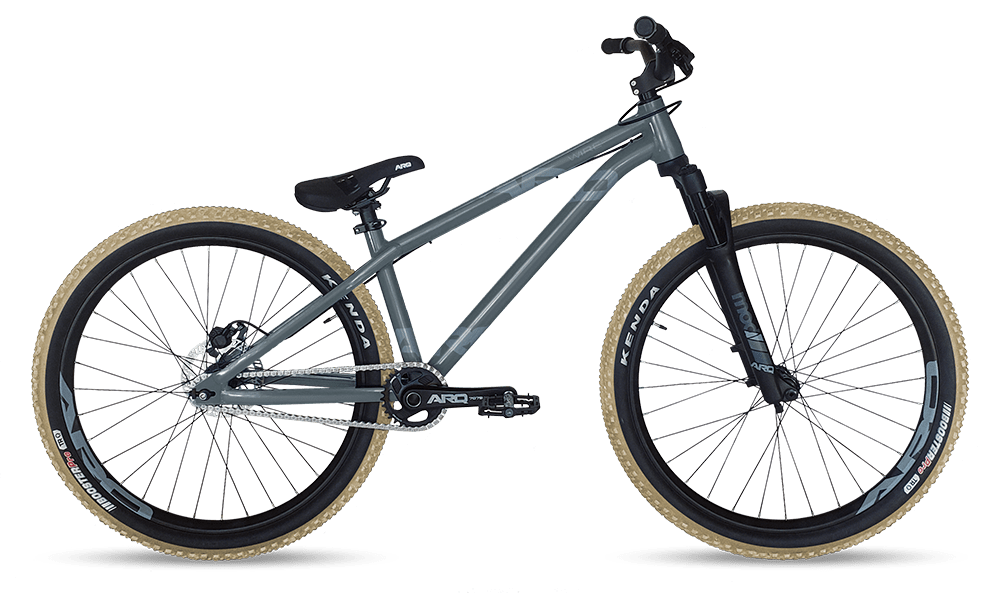
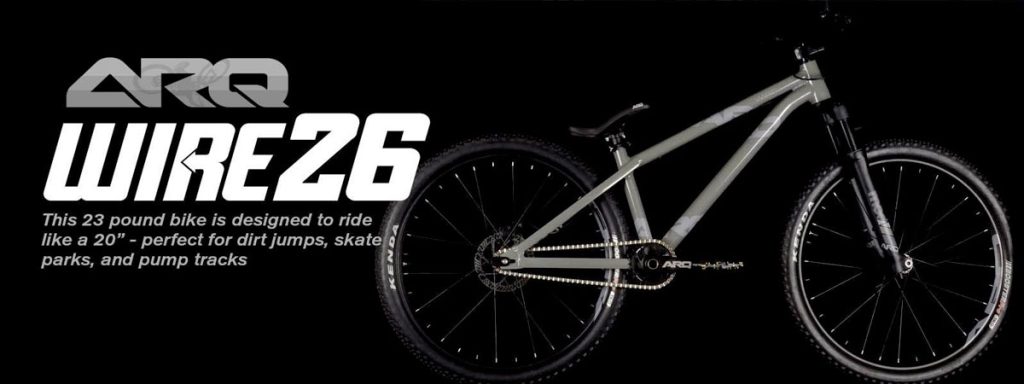
- Dirt jump bikes feature larger wheels (24-26 inches) for stability.
- The BMX market was valued at $316.8 million in 2023.
- Participation in BMX biking reached 4.5 million Americans in 2023.
BMX biking has grown in popularity, with approximately 4.5 million Americans participating in 2023, marking a 6.7% increase from the previous year. This rise reflects a growing interest in both BMX and dirt jump biking, each offering unique thrills and challenges. Understanding the differences between these bikes is essential for choosing the right one for various terrains, as each has specific strengths suited to different riding styles.
| Feature | BMX Bikes | Dirt Jump Bikes |
|---|---|---|
| Wheel Size | 20 inches | 24-26 inches |
| Best Use | Racing and tricks | Jumping and stunts |
| Weight | Lightweight | Sturdier build |
Understanding the Key Differences
BMX bikes typically feature 20-inch wheels, while dirt jumpers sport larger wheels, ranging from 24 to 26 inches. This difference in wheel size significantly influences how each bike handles on various terrains. BMX bikes excel in tight, fast-paced environments, being nimble like a deer in the woods, while dirt jump bikes are built to conquer larger jumps and rougher surfaces, offering stability akin to an oak tree in a storm.
The geometry and design of each bike cater to different riding styles. BMX riders often focus on agility and speed, making their bikes lighter and more responsive. Conversely, dirt jump bikes prioritize stability and durability, allowing for greater control during high-impact tricks. For more information on dirt jumpers, check out this guide.
Wheel Size and Handling Characteristics
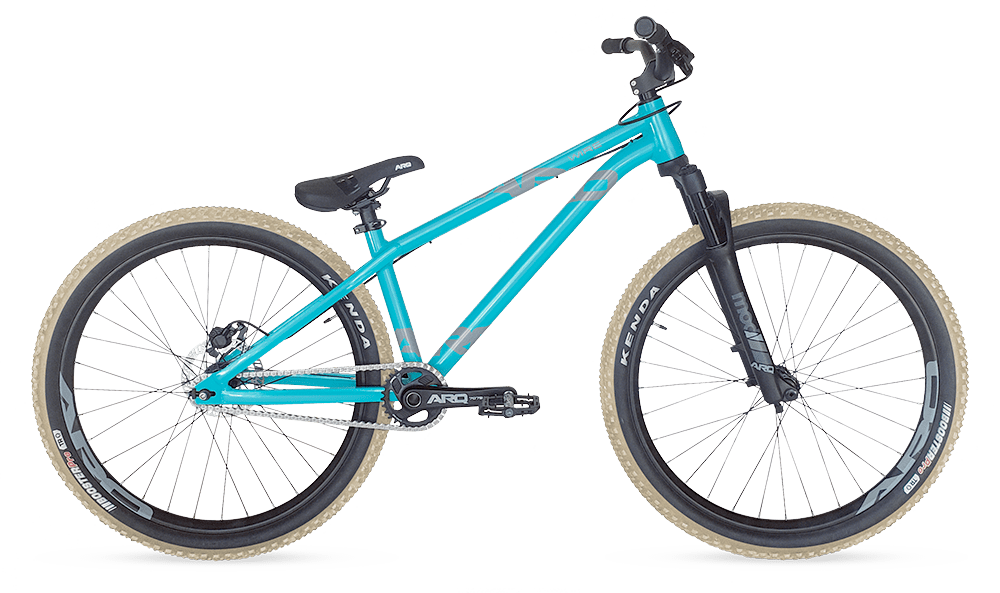
Smaller wheels on BMX bikes allow for quick acceleration and maneuverability, making them ideal for racing and technical tricks. In contrast, larger wheels on dirt jump bikes offer enhanced speed potential, enabling riders to glide over obstacles like a bird soaring through the sky. This difference in wheel size translates to distinct riding experiences, with BMX bikes suited for park and street riding, while dirt jump bikes thrive in dirt trails and jump lines.
When selecting a bike, consider your riding style and the terrain you plan to tackle. If you’re drawn to fast-paced tricks and racing, a BMX bike may be your best option. However, if you’re looking to hit jumps and ride on rough terrain, a dirt jump bike could be a better fit. For further guidance on choosing the right dirt jumper bike, explore this resource.

Frame Geometry Differences
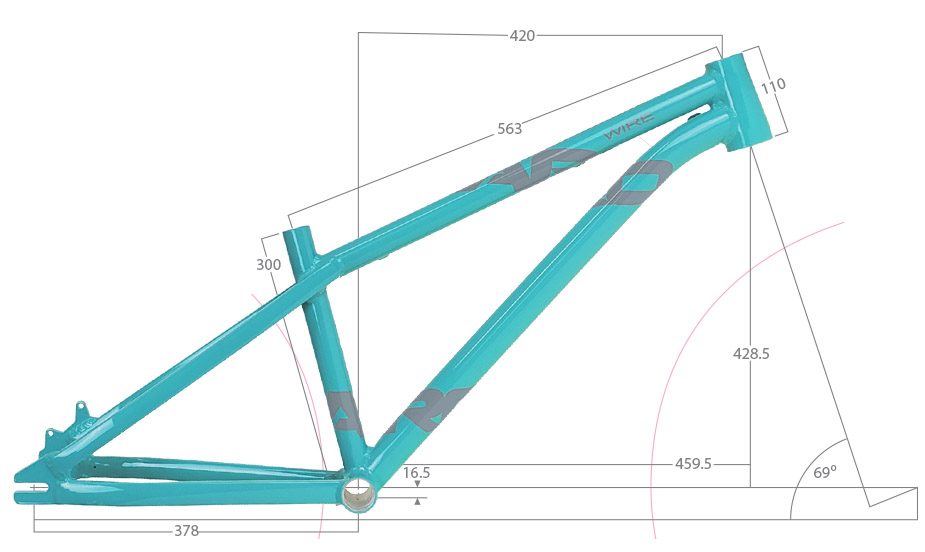
The frame geometry of BMX and dirt jump bikes diverges significantly, impacting performance. BMX bikes typically have a shorter wheelbase, which provides quick handling and responsiveness during stunts, allowing riders to navigate obstacles with the precision of a surgeon. In contrast, dirt jump bikes feature a longer wheelbase that enhances stability, especially when airborne. Riders often appreciate this difference when tackling larger jumps or technical descents.
Understanding these geometries can help riders choose the right bike for their needs. A BMX bike’s design promotes agility, while a dirt jump bike emphasizes stability and control. For a deeper dive into the frame geometry of dirt jump bikes, refer to this article.
Intended Use and Riding Style
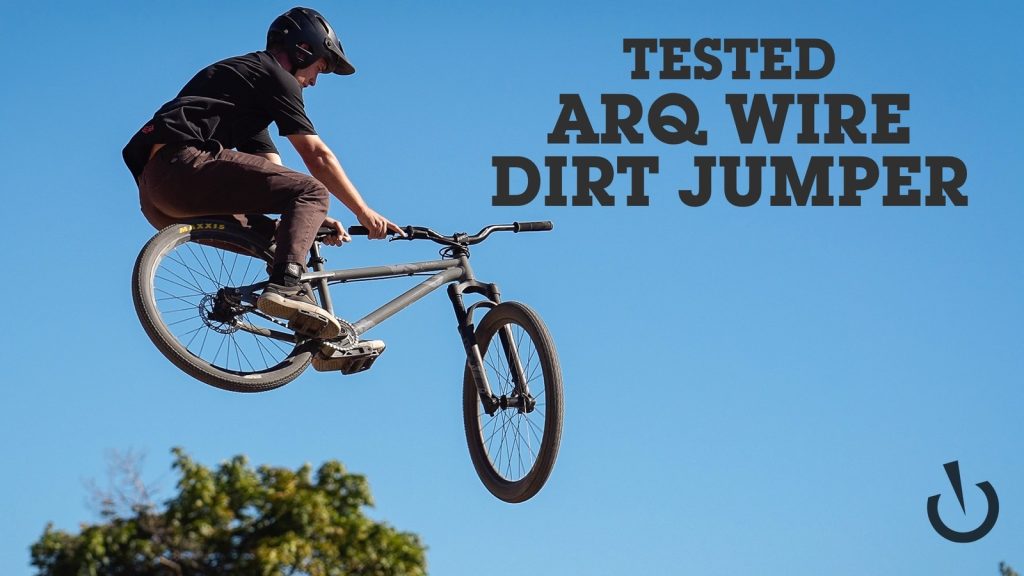
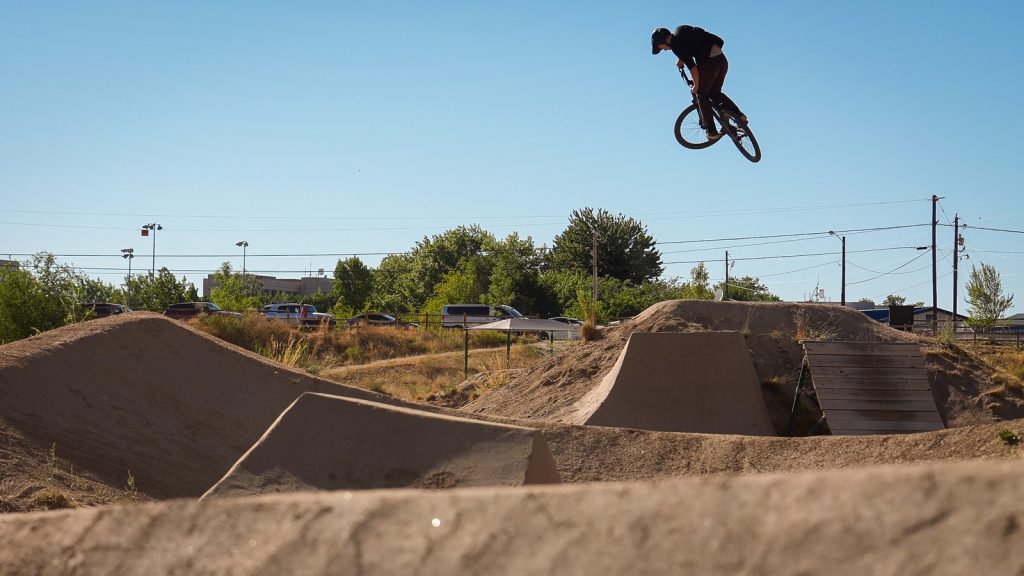
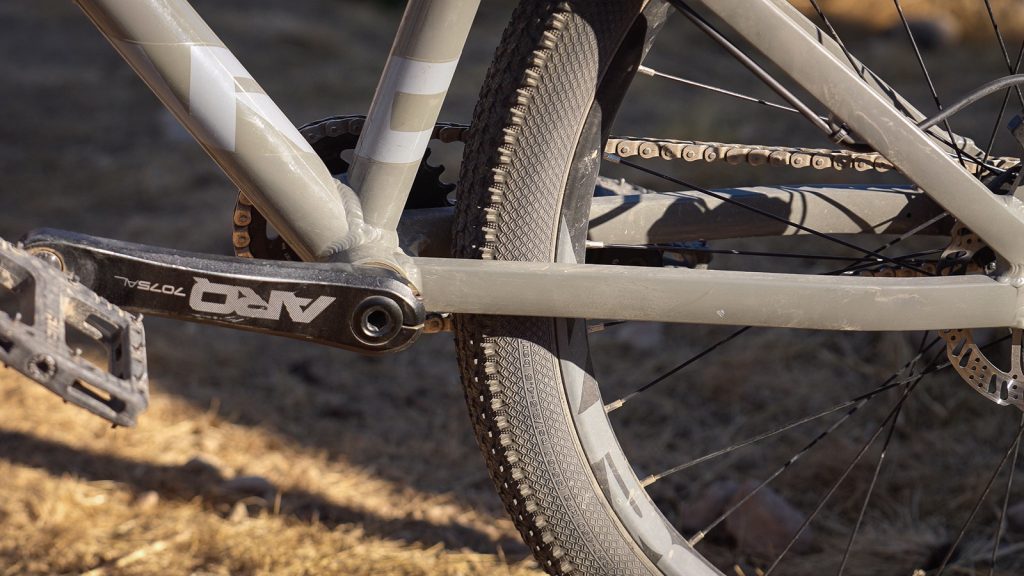
The intended use of a bike can greatly affect the choice between BMX and dirt jump models. BMX bikes are tailored for riders who enjoy racing, tricks, and street performances. These bikes facilitate quick movements and dynamic stunts, almost like a dancer performing a flawless routine. In contrast, dirt jump bikes cater to riders who prefer hitting jumps and riding trails. The robust construction of dirt jump bikes allows them to withstand the rigors of aggressive riding.
Choosing the right bike hinges on understanding your riding style. If you enjoy performing tricks in parks or racing against friends, a BMX bike may be your go-to. However, if your passion lies in exploring dirt trails and executing jumps, opt for a dirt jump bike. Beginners looking for dirt jump options can find helpful information in this guide.
Price Considerations and Market Trends
The global BMX market was valued at approximately $316.8 million in 2023, clearly indicating its popularity. Pricing can vary widely based on brand, specifications, and intended use. Generally, BMX bikes tend to be more affordable than dirt jump bikes, which often feature specialized components for durability and performance, much like the difference between a compact car and a rugged SUV.
When budgeting for a bike, consider not only the purchase price but also potential upgrades and maintenance costs. It’s helpful to research different options and compare prices to find the best bike for your needs. For essential upgrades to enhance your dirt jumper, check out this article.
Price Range Comparison Across Different Bike Categories
FAQ Section
1. What’s the main difference between BMX and dirt jump bikes?
The primary difference lies in wheel size and intended use. BMX bikes have 20-inch wheels, making them ideal for racing and tricks, while dirt jump bikes feature larger wheels (24-26 inches) for stability and control on jumps.
2. Which bike is better for beginners?
For beginners, BMX bikes may be more suitable due to their lighter weight and easier handling. However, dirt jump bikes can also be beginner-friendly, especially for those interested in trail riding and jumps.
3. How much should I expect to spend on each type?
Prices can vary greatly. BMX bikes generally range from $200 to $600, while dirt jump bikes can start around $400 and go up to $1,500 or more, depending on features and brand.
4. Can I use a BMX bike for dirt jumping?
While you can use a BMX bike for dirt jumping, it may not perform as well as a dedicated dirt jump bike. Dirt jump bikes are designed for stability and control during high-impact landings.
5. What maintenance differences should I consider?
BMX bikes typically require less maintenance due to simpler components. Dirt jump bikes may need more attention to their suspension systems and brakes, especially after rigorous use on rough terrain.