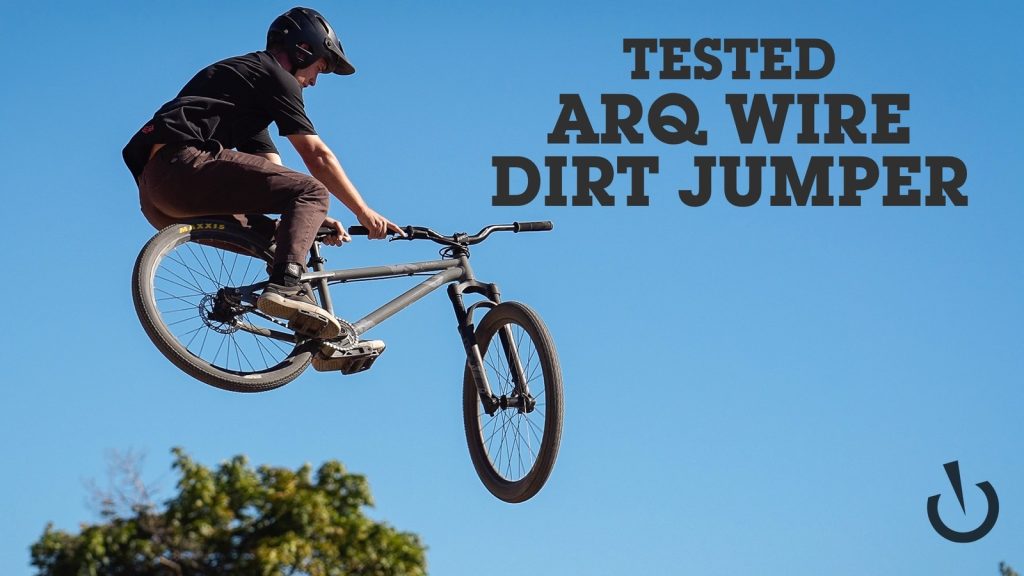
What You Need to Know
- Dirt jump bikes are specifically designed for jumps and tricks.
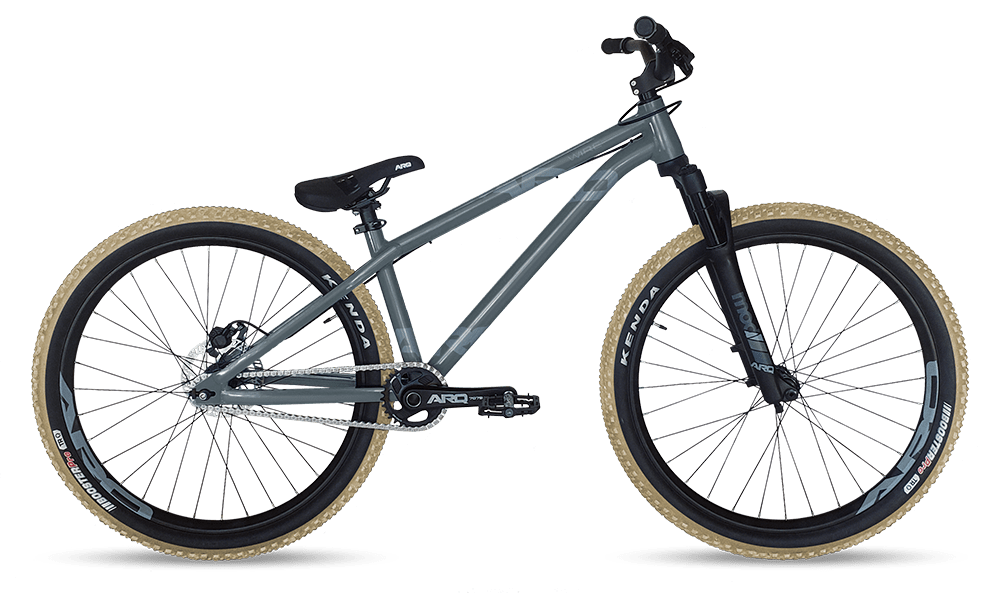
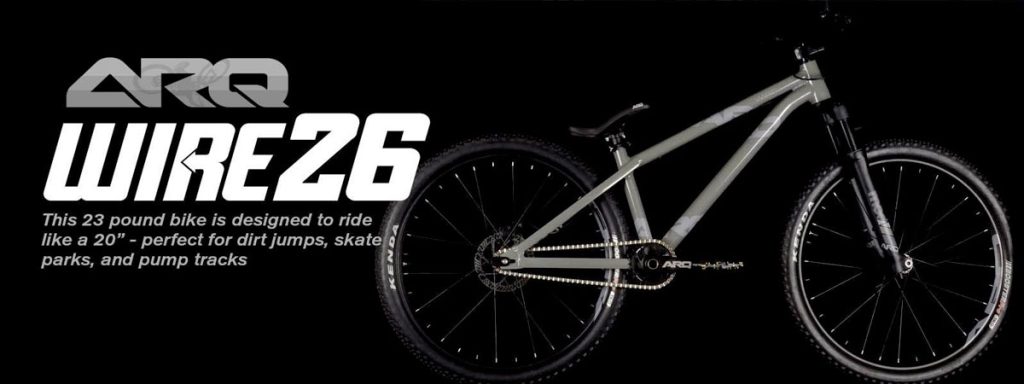
- They typically feature 26-inch wheels and robust construction.
- The market for dirt jump bikes is projected to reach USD 70 billion by 2029.
- Understanding bike components can greatly enhance performance.
Dirt jump bikes are an exhilarating segment of the cycling world, catering to thrill-seekers and adventure enthusiasts. With roots in BMX riding, this specialized market is projected to reach a staggering USD 70 billion by 2029. The evolution of dirt jumping showcases a blend of skill, creativity, and technology that captivates both riders and spectators. For those eager to explore, What Are Dirt Jumpers? offers a deep dive into the subject.
What Makes a Dirt Jump Bike Unique
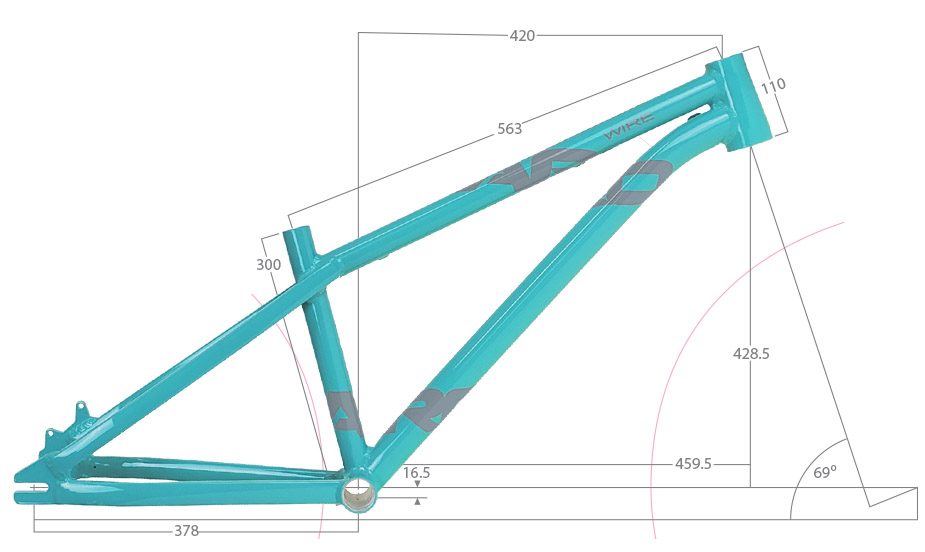
Dirt jump bikes differ from other bicycles due to their distinctive features. Most of these bikes sport 26-inch wheels and have head tube angles ranging from 67 to 70 degrees. These characteristics contribute to a stable yet responsive ride, allowing riders to tackle jumps and tricks with confidence. The geometry of a dirt jump bike enhances performance, making it a perfect choice for both beginners and seasoned riders alike. The focus on style and control transforms the dirt jump experience into an art form, where every trick performed is a brushstroke on the canvas of the air.
Essential Components
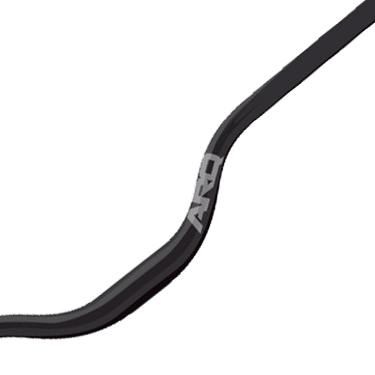
The heart of any dirt jump bike lies in its components. Typically, gear ratios range from 44:16 to 30:11, allowing for optimal performance during jumps and tricks. The choice of components can greatly influence the bike’s overall performance, making it crucial for riders to understand what works best for their style. Upgrading essential parts can lead to improved handling and durability, vital for anyone looking to push their limits. Just as a painter selects the finest brushes to create a masterpiece, a rider must choose components that resonate with their unique style.
For those interested in maintaining their bikes, How to Maintain Your ARQ Bike is a valuable resource. Riders seeking to enhance their machines should also explore 5 Essential Upgrades that can make a significant difference in performance. Investing time in bike maintenance is akin to nurturing a garden; with care, the rewards will bloom.
Modern Evolution
The design of dirt jump bikes has evolved tremendously over recent years. Today’s models are purpose-built to be lightweight, averaging around 23 pounds. This lightweight design allows riders to maneuver more effectively, making those high-flying tricks and jumps feel effortless. Modern materials and engineering have led to significant advancements, ensuring that riders enjoy a robust yet nimble experience. The evolution of these bikes reflects the spirit of innovation, transforming what was once a simple pastime into a high-octane sport.
Market Insights
Dirt Jump Bike Market Projections
FAQ Section
- What makes dirt jump bikes different from BMX bikes?
Dirt jump bikes are specifically designed for jumping and tricks, featuring a different geometry and components compared to BMX bikes, which are more geared towards flatland riding and racing. - How much should I spend on a dirt jump bike?
The price of dirt jump bikes varies greatly, ranging from budget-friendly options under $500 to high-end models that can exceed $2,000. It’s wise to set a budget based on your needs and riding style. - What are the most important features to look for?
Key features to consider include frame geometry, weight, component quality, and wheel size. These factors can significantly impact your riding experience and performance. - Are dirt jump bikes good for beginners?
Yes, dirt jump bikes can be suitable for beginners, especially models designed with user-friendly features. It’s essential for new riders to choose a bike that matches their skill level and comfort. - How do I maintain my dirt jump bike?
Regular maintenance involves checking tire pressure, lubricating the chain, and inspecting brakes and gears. For detailed guidance, refer to How to Maintain Your ARQ Bike.